Nearly eleven years ago, I sat in a hospital ward watching my premature baby fight to breathe, and I smiled at the nurses because I thought that was what I was supposed to do. What nobody saw was the anxiety quietly taking hold underneath. The hypervigilance. The constant bracing for the next crisis. The sense that my body had somehow failed the most important job it had ever been asked to do.
I went on to build a career helping women recover physically after birth. But the truth is, the physical and the emotional are not separate stories. They never have been. This is why Maternal Mental Health Awareness Week matters so deeply to me, both as a clinician and as a mother.
What Is Maternal Mental Health Awareness Week?
Maternal Mental Health Awareness Week runs annually in late April and early May, led by the Maternal Mental Health Alliance. It exists to shine a light on the mental health conditions that affect women during pregnancy and in the year after birth. Around one in five women experience a perinatal mental health condition. That figure is not a footnote. It is a reality that touches an enormous number of families, and far too often it goes unacknowledged.
Postnatal depression gets most of the airtime. But postnatal anxiety, PTSD following traumatic birth or NICU experiences, OCD, and other conditions are just as real and just as deserving of recognition. Many women I see in clinic carry these experiences quietly, months or even years after the birth itself.
The Connection Between Physical Recovery and Mental Wellbeing
One of the things I feel most strongly about in our work at the clinic is that postnatal care cannot be reduced to closing a diastasis or releasing a tight pelvic floor. Those things matter enormously. But so does the context in which a woman is healing.
When someone comes through our door for a Mummy MOT or postnatal physiotherapy assessment, we are not just looking at what is happening below the surface physically. We are paying attention to how she is talking about her experience, how she describes her labour and delivery, whether there are signs that something more complex is present alongside the physical symptoms.
A woman who had a traumatic birth may flinch at certain touch. A mother who spent weeks in a NICU may hold a deep-seated tension in her body that no amount of manual therapy alone will fully resolve. Anxiety lives in the nervous system, and the body keeps the score in ways that are genuinely significant for physical rehabilitation.
Why the Clinic Environment Is Part of the Care
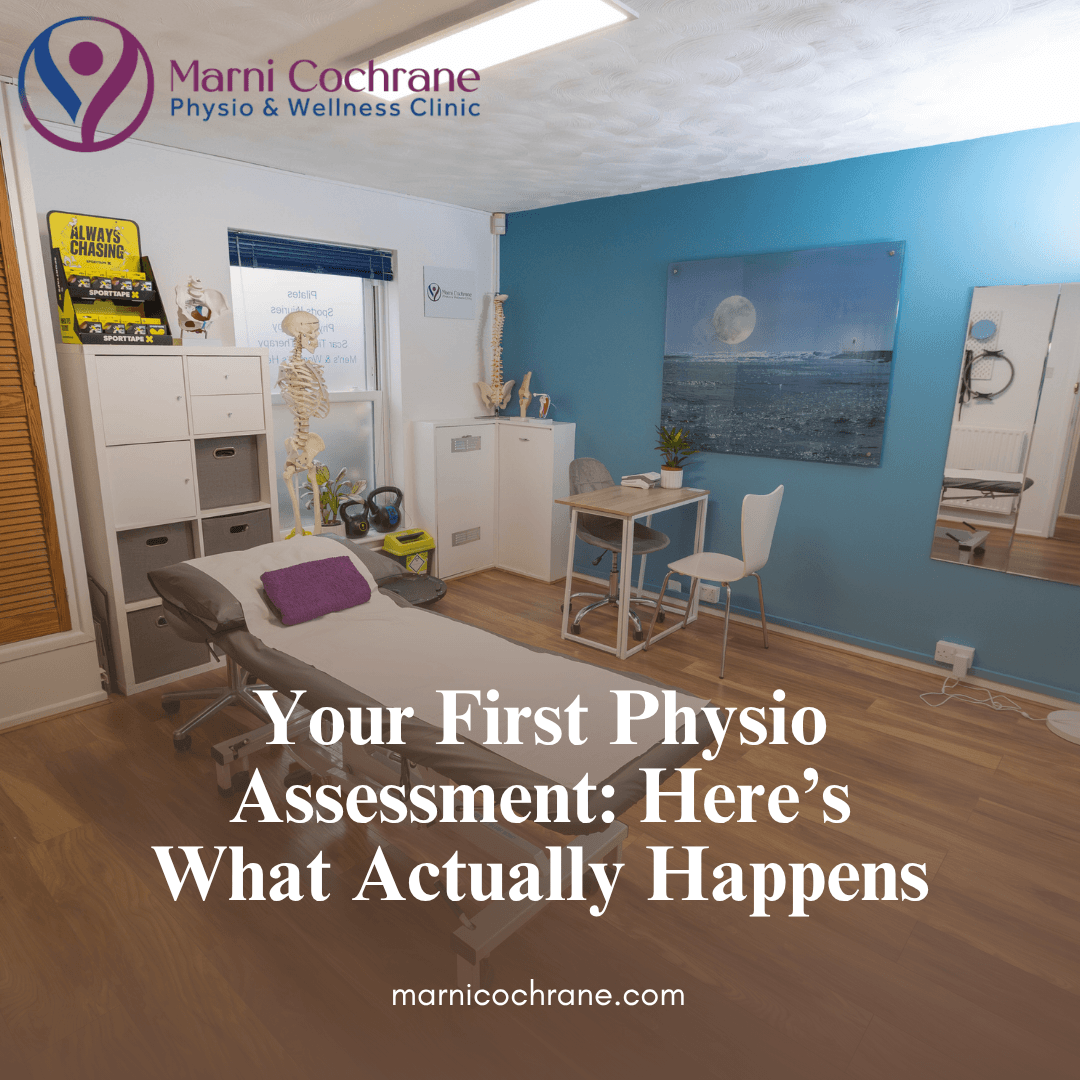
I made a deliberate decision when founding this clinic that the space itself needed to feel calm, unhurried, and non-clinical in the cold, institutional sense of the word. For women who have been through difficult perinatal experiences, walking into a healthcare setting can be a trigger in itself.
What we offer is a space where there is time to talk, where nothing is dismissed, and where "I'm fine" is never the only acceptable answer. That matters to me personally, not just professionally. I still carry elements of the anxiety I experienced after my own premature baby arrived. I have worked hard on it over the years, and there are still things that catch me off guard. That lived experience informs how we approach every single woman who comes to us in the postnatal period.
When Physical Symptoms Point to Something More
It is worth naming some of the ways postnatal mental health struggles can show up physically, because they often do:
Chronic muscle tension and pain are frequently linked to an overactive stress response. The body remains in a state of readiness, unable to fully down-regulate.
Pelvic floor dysfunction can be exacerbated by anxiety. A pelvic floor held in persistent tension is a common presentation in women with perinatal anxiety or PTSD, and treating it purely as a musculoskeletal problem without considering the emotional component will only get you so far.
Fatigue that goes beyond sleep deprivation is something many postnatal women dismiss as inevitable. Sometimes it is. Sometimes it is the body signalling something deeper.
Avoidance of physical activity or intimacy can be rooted in fear responses tied to birth trauma, not simply in physical pain or discomfort.
Recognising these patterns allows us to support women more fully and, where appropriate, connect them with the right additional help.
The Importance of Specialist Psychological Support
We are physiotherapists. We are not psychologists or trauma counsellors, and we are clear about that. But part of delivering genuinely good postnatal care is knowing when to refer, and having trusted, warm referral pathways already in place.
We maintain strong connections with trauma-informed psychologists and other mental health specialists for exactly this reason. If we see something in clinic that tells us a woman would benefit from psychological support alongside her physical treatment, we will have that conversation with her directly and compassionately, and we will make sure she knows where to go. There is no awkwardness about it. It is just part of the care.
A Note to Any Woman Reading This
If you gave birth weeks ago or years ago, and something still does not feel right in your mind or your body, that is worth paying attention to. You do not need to have a diagnosed condition to deserve support. You do not need to be in crisis to ask for help. And you absolutely do not need to keep managing alone.
Postnatal recovery is not a race with a finish line at six weeks. For many women, it is an ongoing process that deserves proper, expert attention at every stage.
If you are based in or around Bishop's Stortford and you would like to speak to us about postnatal physiotherapy, pelvic health, or simply want to know more about how we approach women's health care, visit www.marnicochrane.com to book a consultation. We will meet you exactly where you are.