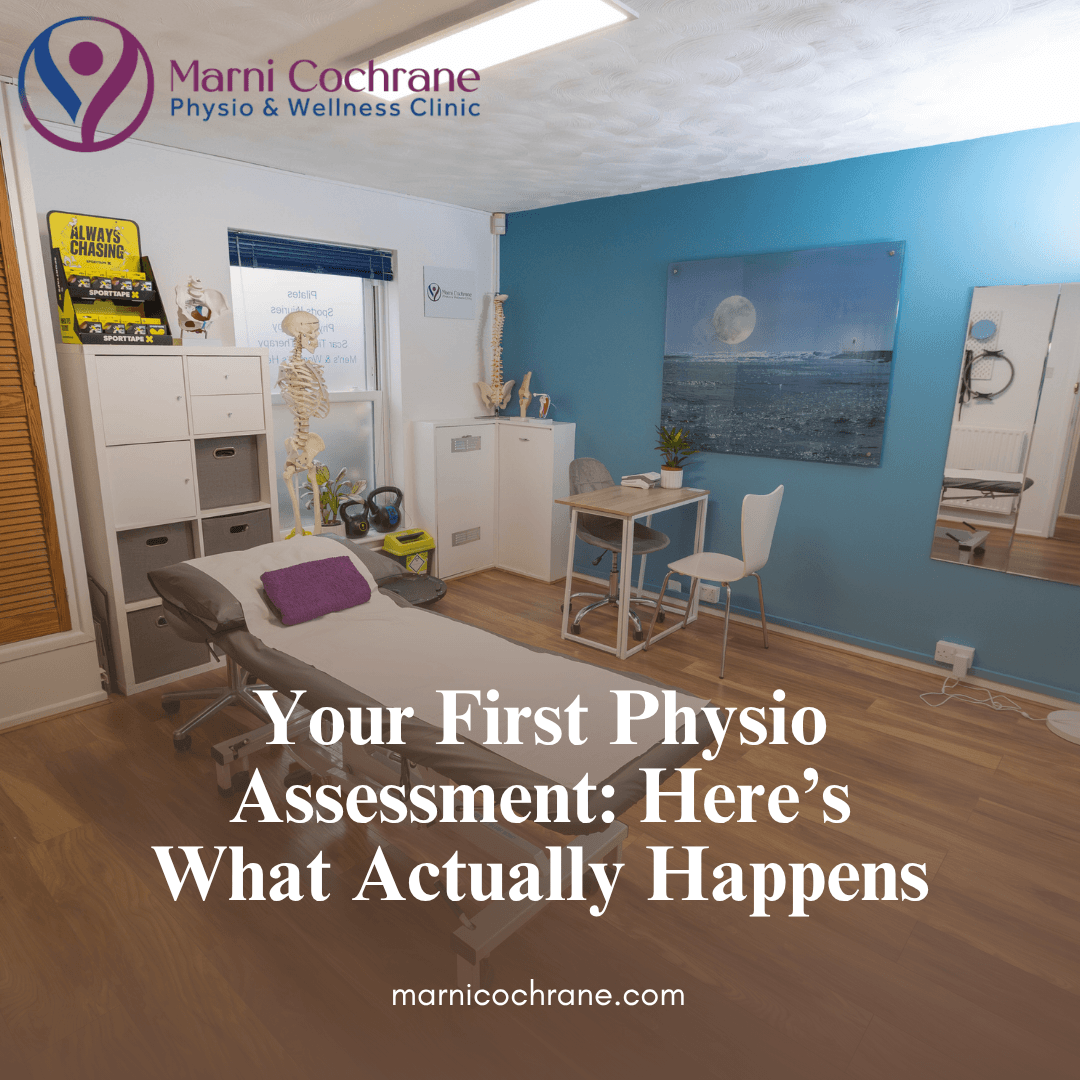
The treatment room goes quiet. You're lying on the couch, expecting another session of hands-on therapy, when I explain something that might surprise you: "Today, we're getting you moving." The look of confusion is familiar, but here's what we've learned after nearly 20 years in physiotherapy – movement is your most powerful medicine.
The Movement Revolution in Modern Physiotherapy
We've moved far beyond the days when physiotherapy meant passive treatments and lengthy sessions on the couch. While manual therapy has its place, the real magic happens when we get you actively engaged in your recovery. At our Bishop's Stortford clinic, we've witnessed countless patients make breakthrough progress not through what we do to them, but through what we teach them to do for themselves.
Think about it this way: if you're a tennis player with shoulder pain, no amount of massage will prepare your rotator cuff for that overhead serve. If you're returning to football after an ACL injury, joint mobilisation alone won't restore the explosive power you need for those crucial tackles. Function follows movement, and movement follows practice.
Sport-Specific Movement: Why Generic Won't Cut It
Here's where rehabilitation gets exciting. We don't just treat bodies; we treat athletes, weekend warriors, gym enthusiasts, and active individuals who want to return to what they love. Each sport demands unique movement patterns, and our rehabilitation programmes reflect this reality.
For our rugby players, we focus on rotational power through the core, practising the spiral movements needed for passing and tackling. Our exercises might include medicine ball throws that mimic the exact angle of a lineout throw, or single-leg stability work that prepares for those awkward rucks.
Tennis enthusiasts work through kinetic chain exercises that connect foot positioning to racquet contact. We'll have you practising cross-court movement patterns while maintaining proper shoulder mechanics, because your backhand recovery depends on your entire body working as one unit.
Runners don't just need strong legs; they need efficient movement patterns. Our gait retraining sessions focus on cadence, foot strike, and the subtle hip mechanics that can mean the difference between a personal best and another injury.
Cyclists spend time working on hip mobility and core endurance in positions that actually matter – not just lying on a treatment table, but in postures that replicate time in the saddle.
The Science Behind Movement-Based Recovery
Research consistently shows that active rehabilitation produces superior outcomes compared to passive treatments alone. When we move, we stimulate mechanoreceptors that help reduce pain naturally. We improve blood flow more effectively than any hands-on technique. Most importantly, we retrain the nervous system to control movement patterns that prevent re-injury.
Our approach at Marni Cochrane integrates this evidence-based understanding with practical application. We're not dismissing manual therapy entirely – it's an excellent tool for reducing pain and improving mobility. But it's what you do with that improved mobility that determines your long-term success.
Making Movement Fun and Functional
Rehabilitation doesn't have to feel like punishment. We've developed creative ways to make movement training engaging while targeting specific functional goals.
Balance challenges might involve catching tennis balls while standing on an unstable surface, perfect for footballers who need to maintain control while being tackled. Strength training becomes sport-specific when a golfer practises rotational power through movements that mirror their swing plane.
Proprioceptive training for ankle injuries transforms from boring wobble board exercises into agility ladder work that directly transfers to netball court movements. Core stability work moves beyond planks to include dynamic patterns that swimmers need for efficient stroke mechanics.
Your Movement Journey: What to Expect
When you begin rehabilitation with us, we start by understanding your specific goals. Are you returning to competitive sport? Getting back to weekend activities? Simply wanting to move without pain? Your programme becomes as individual as your fingerprint.
Week 1-2 typically focuses on pain reduction and basic movement restoration. Yes, this might include some hands-on treatment, but we're already introducing gentle, pain-free movements.
Week 3-6 shifts toward building strength and control in movement patterns. This is where sport-specific training begins to emerge.
Week 6+ emphasises return to function, with exercises that closely mirror your target activities.
Throughout this process, we're constantly progressing the challenge, adjusting based on your response, and ensuring every movement serves a purpose in your recovery story.
The Confidence Factor
Perhaps the most significant benefit of movement-based rehabilitation is confidence. When you understand how your body moves and responds, when you've practised the exact movements you need for your sport, you return to activity with assurance rather than anxiety.
We see this regularly in our post-operative patients. Those who engage actively in pre-surgical conditioning and post-surgical rehabilitation consistently achieve better outcomes than those who rely solely on passive treatments. The difference isn't just physical; it's psychological confidence built through movement mastery.
Beyond the Treatment Room
Our ultimate goal is independence. While we love seeing our patients, our success is measured by how well you function without us. Every movement pattern we teach, every exercise we prescribe, every functional progression we guide you through is designed to give you the tools for long-term success.
This philosophy extends to our injury prevention work. Rather than waiting for problems to occur, we teach movement quality that reduces injury risk. Our clinical Pilates programmes, sports injury rehabilitation protocols, and pelvic health treatments all emphasise active participation in your health journey.
Your Next Move
Movement is medicine, but like any medicine, it needs to be prescribed correctly, dosed appropriately, and progressed systematically. That's where our expertise becomes invaluable. We bridge the gap between pain relief and functional return, between injury and confidence, between limitation and possibility.
Ready to experience rehabilitation that gets you moving toward your goals? Contact us to begin your movement-centred recovery journey. Because your sport is calling, and we're here to make sure you're ready to answer.